The Vacuum Amazon Can't See: How a Lagos Startup Plans to Out-Africa Amazon Books and Netflix

James Nelson
Ceo, Co-founder
Amazon has no strategy for Africa. Not a bad one, not a half-hearted one, an actual absence. Ask anyone who has tried to sell a book on Amazon as an African author and they will tell you the same story: your book lands in a catalogue built for a different consumer, priced in a currency that doesn't clear locally, discovered by an algorithm tuned for a market you don't belong to, and then it disappears. Not because the book was bad. Because the platform was never designed to see it.
Netflix has a version of the same blind spot. It understands that Nollywood has an audience, so it licenses a slate and calls it African content. What it hasn't understood, because its entire business model forbids it from understanding, is that the African consumer doesn't relate to entertainment the way a subscription box assumes. A $15 a month habit is not a small ask when income arrives in unpredictable amounts and every naira, cedi or shilling is already accounted for before it lands. Global platforms keep importing a Western behavior (recurring, automatic, invisible payment) into a market where the dominant behavior is the opposite: pay for what you want, when you want it, in the amount you can afford right now.
This is the vacuum. Not a lack of demand. A lack of fit.
Starting From the Fundamentals, Not the Balance Sheet
The instinct, when you see Amazon and Netflix as competitors, is to try to out-fund them or out-catalogue them. That's a losing game for a startup out of Lagos. The more interesting question isn't "how do we beat Amazon at being Amazon," it's "what does African media distribution look like if you build it from the ground up around how Africans actually create, discover and pay."
That's the order the strategy actually follows, and it starts nowhere near movies.
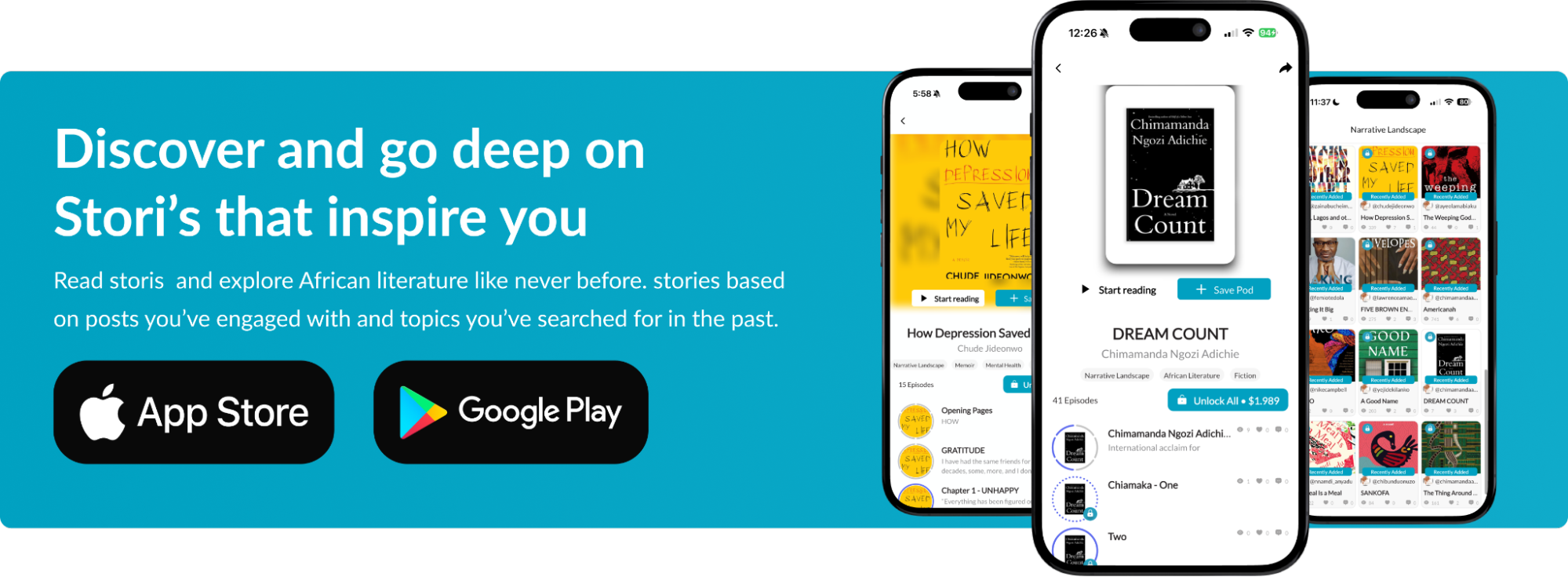
It starts with a creator economy. Before you can build a distribution platform for African intellectual property, you need African intellectual property that has never had anywhere to go. Millions of people on this continent are already writing, on notes apps, in WhatsApp groups, on Wattpad knockoffs with no path to income. So step one was simple: build a place where anyone can write and publish a story, and where publishing is actually connected to earning, not a vanity exercise. We built ours around chapter-level micropayments, what we call pods, so a reader isn't asked to buy a whole book upfront. They pay to unlock the next chapter, a little at a time, the same way they'd top up airtime instead of signing a phone contract.
That single decision, payment in small, affordable units instead of one large purchase, is the thing Amazon has never had to think about, because Amazon was built for a market where the one-time purchase was already the easy option. In Africa, the easy option is the small, repeatable one.
Then You Fix the Pipe, Not Just the Shelf
A creator economy without a working payment layer is a hobby. So the next layer wasn't more content, it was infrastructure: making it possible for a creator in one country to actually get paid by a reader in another, without either of them touching a system built for a different continent's banking rails. Once that pipe works reliably across dozens of countries, everything downstream gets easier, because the hardest problem in African digital commerce isn't discovery, it's settlement.
Only once creators are earning does the aggregation play make sense. You don't go to a publishing house and ask them to bet on you. You go to them and show them working economics: creators earning in bits and pieces, readers paying in bits and pieces, and a growing base of both. That is how you start bringing traditional publishers and their backlists onto a platform, one relationship at a time, the same way we've worked with houses like Narrative Landscape Press. Amazon isn't losing this fight because it lacks scale. It's losing it because a book on Amazon today competes for attention in a catalogue built for the world, with no local discovery layer and no payment method most Africans can actually use.
Comics Next, Because the Category Doesn't Exist Yet
Africa doesn't have its own Webtoons. There is no default place where a comic creator on this continent expects to build an audience and get paid, so instead their work either sits on Instagram carousels or lives on a platform that was never built with them in mind. Adding a comics category isn't a diversification move for the sake of it, it's filling a shelf that is sitting completely empty while the user base built on stories and books keeps compounding underneath it.
Movies, But Never Framed as a Subscription
This is the part people get wrong when they imagine an African Netflix. They assume the ambition is to become a cheaper Netflix. It isn't. Subscriptions are a distribution model that fits markets where recurring, automatic payment is already the norm. That isn't the African norm, and pretending otherwise is how you end up with another regional streaming app nobody renews past month two.
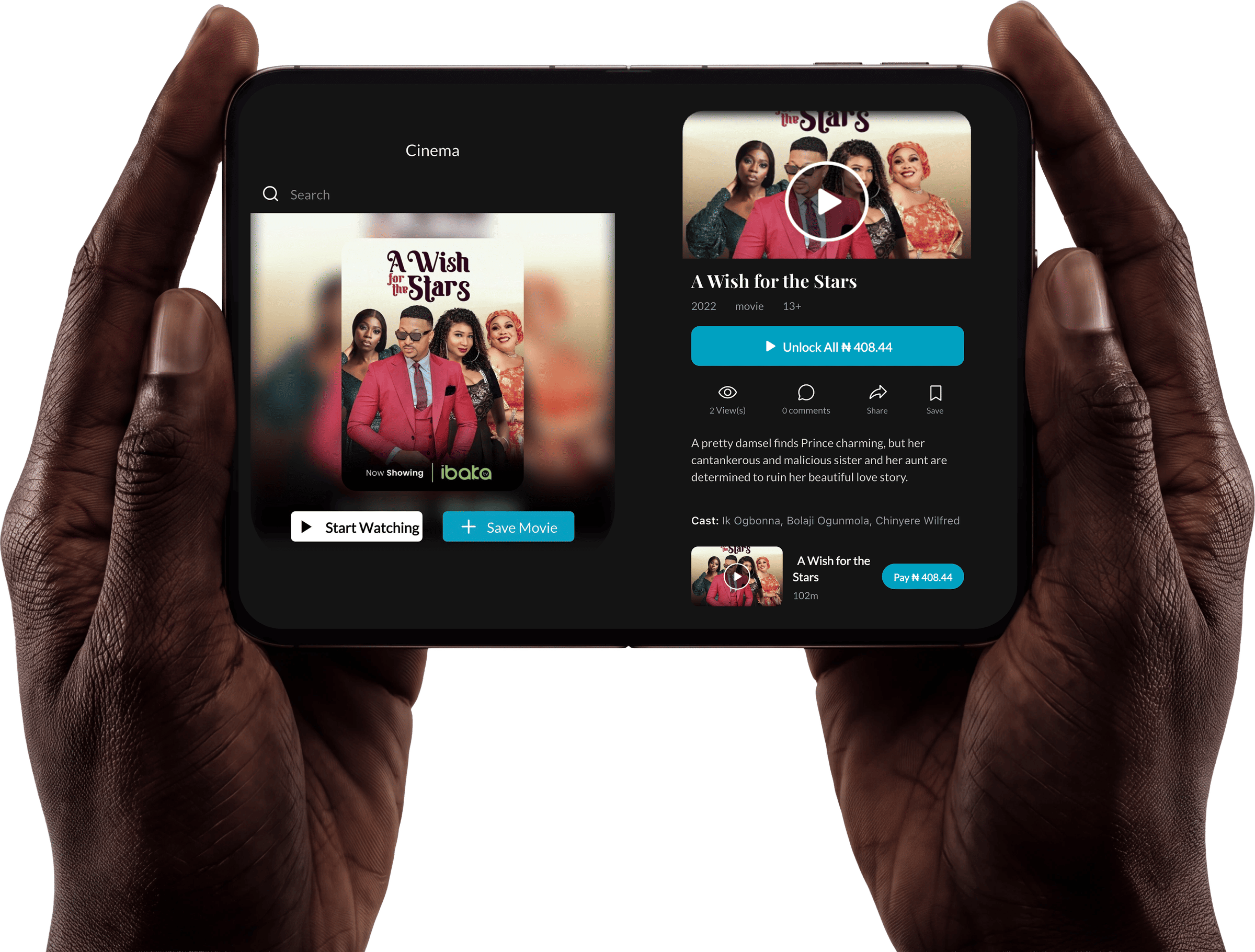
The African instinct is closer to how sachet products conquered this continent. Milk, seasoning, detergent, phone credit, all of it got broken down into units small enough that almost anyone could afford one unit today, regardless of what they could afford in bulk. There is no reason entertainment can't follow the same logic. Instead of asking someone to commit to a monthly catalogue they may only use twice, you let them buy one movie outright, at a locally sensible price, and own it. A ₦1,000 or ₦2,000 decision is a completely different psychological transaction than a recurring subscription, and it's a decision far more Africans are already conditioned to make every single day.
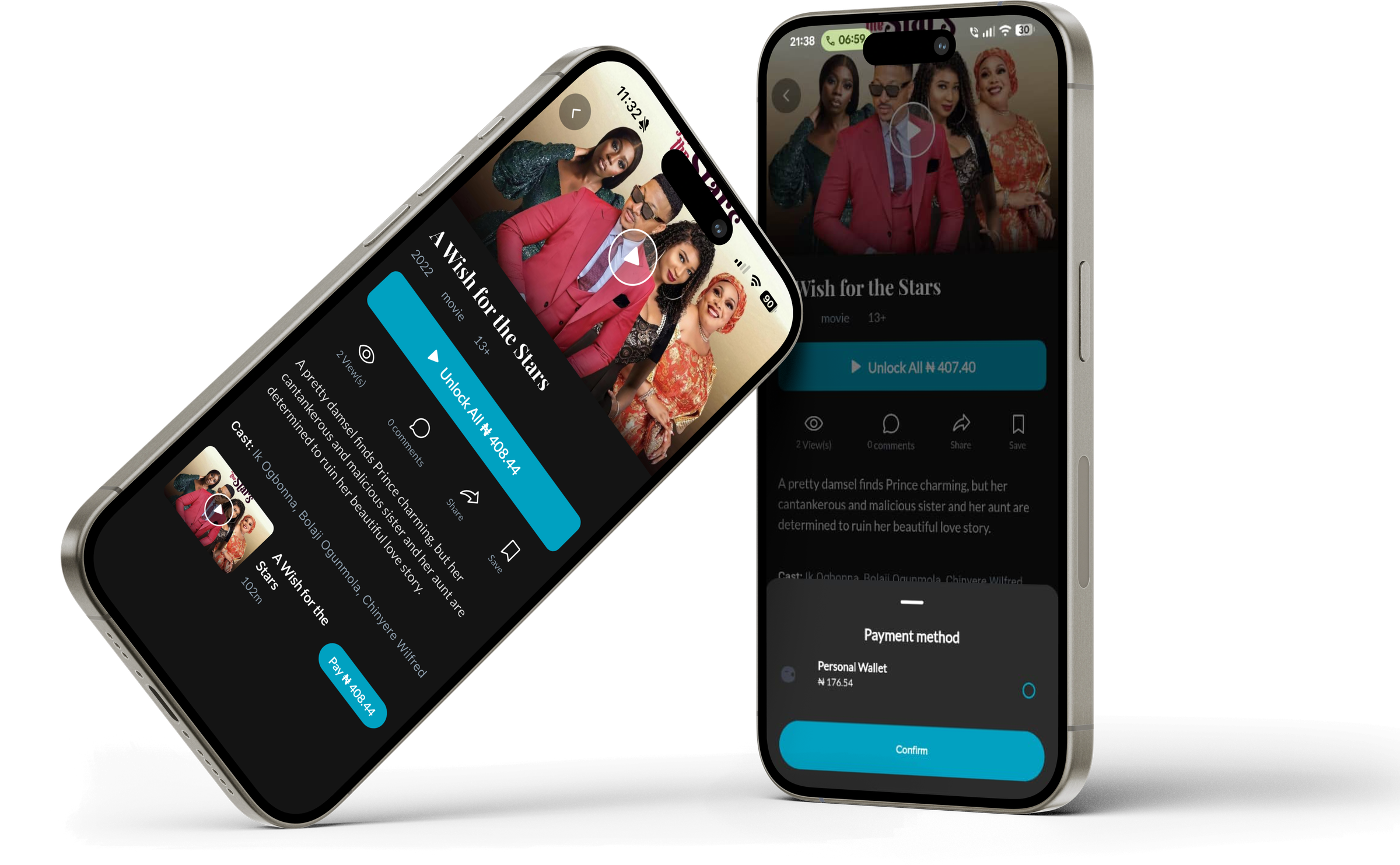
Flip the economics for a studio or a filmmaker and the pitch becomes obvious. Imagine a well-known Nollywood filmmaker distributing a single title this way, priced affordably, sold to a large enough audience across the continent. The filmmaker keeps the overwhelming majority of what comes in, the platform takes a small distribution commission, and there is no gatekeeper deciding which titles get algorithmic attention this month. That is a fundamentally different offer than what subscription streaming gives African creators today, where a view is worth a fraction of a cent and discovery is dictated by a platform optimizing for a global, not local, audience.
Why the Vacuum Stays Open Long Enough to Win
None of this works if you try to do it all at once, and none of it works if you try to import someone else's model wholesale. Amazon can't see this vacuum because its entire infrastructure, pricing, discovery and payments, was built for a different consumer and would need to be rebuilt from the studs to serve this one. Netflix can't fill it because its entire business is contractually and structurally tied to the subscription. Neither company is going to cannibalize its own model to chase a market that, on paper, still looks smaller than the ones they already have.
That is exactly the kind of gap a startup built inside the market, not looking at it from outside, gets to occupy. Stories first, then the payment rails to make those stories earn, then publishers, then comics, then film, each layer funded by the trust and user base the last one built. Not because it's the fastest path to a headline. Because it's the only path that actually matches how this continent creates, discovers and pays.
The distribution layer Africa needs was never going to be a copy of Amazon with African skins on it. It was always going to have to be built from the ground up, sachet by sachet, chapter by chapter, pod by pod.